


Earth Day 2023!
April 22, 2023

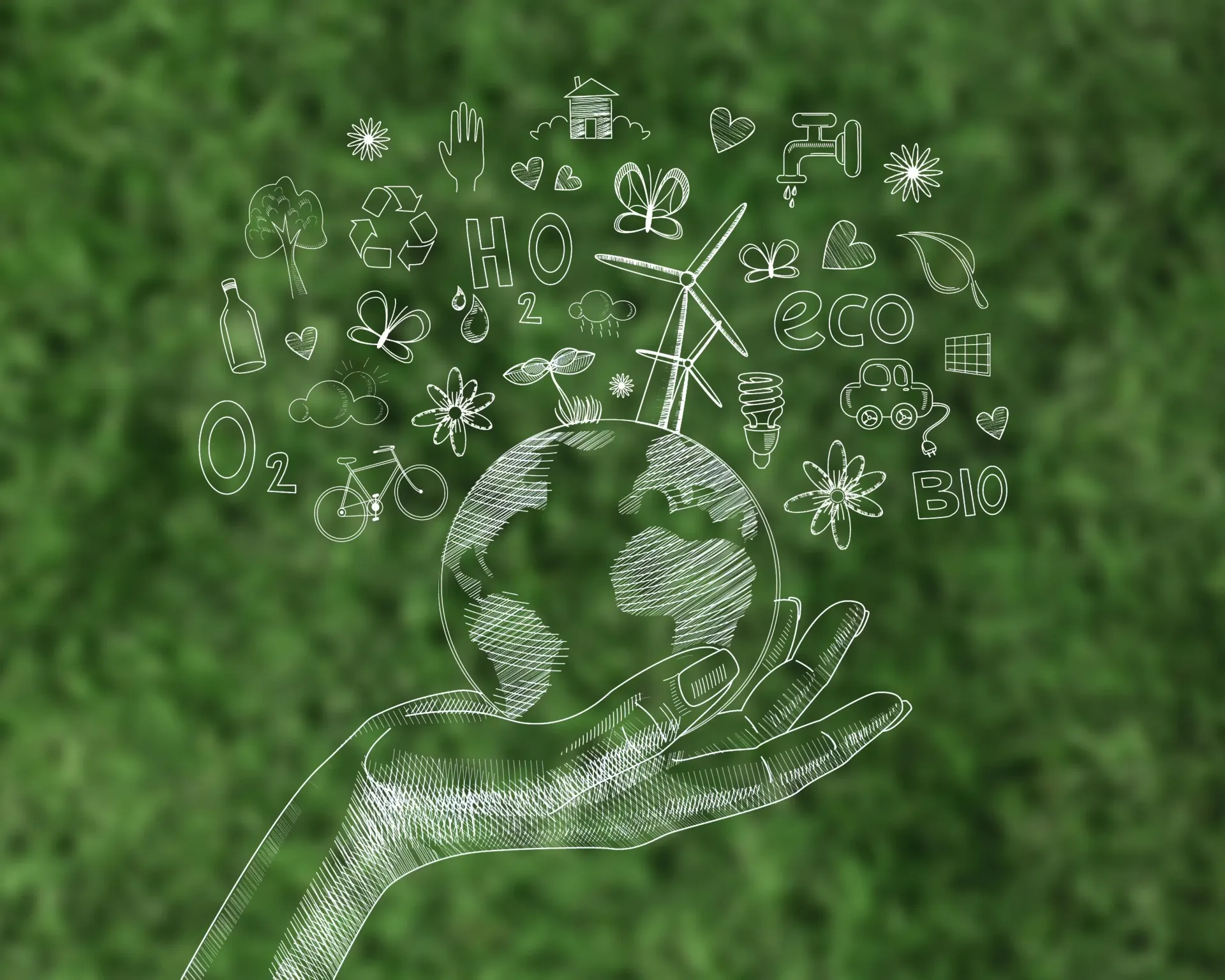
Earth Day is an annual celebration that honors the achievements of the environmental movement and raises awareness of the need to protect Earths natural resources for future generations. Earth Day is celebrated on April 22 across more than 193 countries and on either April 22.
Here at Digs Swansea, for every property that lets we plant a tree. We are also committed to using as many environmentally friendly products when constructing new properties.
What can I do to help on Earth Day?
1) Go for a beach clean.
If you want to help get rid of some of the plastic waste in your area, going on a beach clean is a great and fun way to do this. They happen all year round in most coastal areas and you can sign up easily online, on Facebook or on a website such as Surfers Against Sewage and the Marine Conservation Society. The Great British Beach Clean is an annual event in September happening on many beaches around the UK. In 2017, almost 7,000 people took part and they removed over 250,000 pieces of rubbish from beaches. Maybe this year it can be even bigger!
2) Plant a tree.
Trees and forests are extremely important for providing oxygen, homes, and resources to animals, which includes us. Deforestation contributes to greenhouse gases, with an estimated 15 per cent of all greenhouse gas emissions are due the cutting down of trees.
If you want to help make your area a bit greener and help reduce deforestation and climate change; plant a tree or even a forest! You can buy saplings from garden centres or order them online from the Woodland Trust. Either buy a single sapling, or a tree pack, which contains up to 210 trees. You can even apply for free trees for your school or local community.
3) Buy a bag for life.
As a species, we love eating meat, especially in the West, but this is putting a great pressure on this industry. As well as potential animal welfare issues from intensive farming, the environmental damage animal products create is also a massive issue. Beef in particular uses up a lot of land, a lot of water, and produces many greenhouse gases. If you are a meat eater, cutting down on the amount you eat will have a beneficial impact on the environment. You could start small and go meat free for one day a week (it’ll even save you money, or even try go vegetarian. You never know, you might love it.
4) Go micro-bead free.
Microbeads are tiny beads of plastic that are in many cosmetic products, such as face washes and toothpaste. They end up being washed down your sink into the ocean and can enter the food chain when marine animals consume them. Fortunately, a ban this year means that micorbeads can no longer be used in cosmetic products. However, this does not cover ‘leave-on’ products such as make up. So, make sure the next time you buy any cosmetic products, check the label first for the ingredients list.
5) Walk or ride a bike.
Cars contribute greatly to air pollution, climate change, and have a negative impact on human health. They produce dangerous gases such as carbon monoxide and nitrogen oxides, which then enter our atmosphere that we have to breath in.
Rather than taking your car, try to walk or ride a bike instead. This is also good exercise contributing to a healthy lifestyle. If you don’t have a bicycle, then even carpooling with others will help cut down your carbon footprint.
6) Give up chewing gum.
You might think that chewing gum is environmentally friendly, but it is actually made from a synthetic rubber, which is plastic. Around 100,000 tonnes of this plastic is thrown away every year, and a lot of it ends up on our streets. Next time you want minty-fresh breath, just brush your teeth rather than chewing on a piece of plastic.
7) Shop at local farmers markets.
Farmers markets are a great way to get fresh produce and are beneficial in many ways. Firstly, they support local businesses encouraging positive growth in your area. They also tend to use a lot less, or even no plastic packaging compared to supermarkets, so help reduce waste. Finally, the products are grown or made locally so transport distances are very short and CO2 emissions are low.
Supermarkets on the other hand transport food over thousands of miles from different countries. If there isn’t a farmers market near you, then try to buy grocery products that are from the UK and organic.
8) Buy a reusable water bottle.
In 2016, over 480 billion plastic bottles were sold, which is over 60 for every person. If everyone had a reusable water bottle, then this number would decrease greatly. If you don’t already own one, then go out and buy a bottle that you can take with you everywhere you go.
Cutting down on single-use plastic bottles also means drinking less juices and fizzy drinks, good for your health as they contain a lot of sugar and sometimes weird chemicals. If they are in a glass bottle, then this is a better option to reduce plastic waste.
9) Stop using plastic straws.
Plastic straws contribute greatly to the plastic waste in our oceans. The next time you go to a bar or restaurant, make sure say no to a straw, and even encourage them to stop using straws completely. If you have to use one, then buy an environmentally friendly one that is reusable. You can buy bamboo, metal, and glass straws online that you can wash and use rather than always buying plastic ones.
10) Switch your bills to paperless.
Rather than being sent your monthly bills by post, switch to online statements to reduce paper waste. It’s really easy to do and you are sent an email when your bills are available online to view. Decreasing the demand for paper will hopefully decrease the rate of deforestation.
11) Spread the word!
The more people who know about Earth Day and your efforts to help reduce environmental damage, the faster important issues such as plastic pollution will be resolved.
Here at Digs Swansea, for every property that lets we plant a tree. We are also committed to using as many environmentally friendly products when constructing new properties.
What can I do to help on Earth Day?
1) Go for a beach clean.
If you want to help get rid of some of the plastic waste in your area, going on a beach clean is a great and fun way to do this. They happen all year round in most coastal areas and you can sign up easily online, on Facebook or on a website such as Surfers Against Sewage and the Marine Conservation Society. The Great British Beach Clean is an annual event in September happening on many beaches around the UK. In 2017, almost 7,000 people took part and they removed over 250,000 pieces of rubbish from beaches. Maybe this year it can be even bigger!
2) Plant a tree.
Trees and forests are extremely important for providing oxygen, homes, and resources to animals, which includes us. Deforestation contributes to greenhouse gases, with an estimated 15 per cent of all greenhouse gas emissions are due the cutting down of trees.
If you want to help make your area a bit greener and help reduce deforestation and climate change; plant a tree or even a forest! You can buy saplings from garden centres or order them online from the Woodland Trust. Either buy a single sapling, or a tree pack, which contains up to 210 trees. You can even apply for free trees for your school or local community.
3) Buy a bag for life.
As a species, we love eating meat, especially in the West, but this is putting a great pressure on this industry. As well as potential animal welfare issues from intensive farming, the environmental damage animal products create is also a massive issue. Beef in particular uses up a lot of land, a lot of water, and produces many greenhouse gases. If you are a meat eater, cutting down on the amount you eat will have a beneficial impact on the environment. You could start small and go meat free for one day a week (it’ll even save you money, or even try go vegetarian. You never know, you might love it.
4) Go micro-bead free.
Microbeads are tiny beads of plastic that are in many cosmetic products, such as face washes and toothpaste. They end up being washed down your sink into the ocean and can enter the food chain when marine animals consume them. Fortunately, a ban this year means that micorbeads can no longer be used in cosmetic products. However, this does not cover ‘leave-on’ products such as make up. So, make sure the next time you buy any cosmetic products, check the label first for the ingredients list.
5) Walk or ride a bike.
Cars contribute greatly to air pollution, climate change, and have a negative impact on human health. They produce dangerous gases such as carbon monoxide and nitrogen oxides, which then enter our atmosphere that we have to breath in.
Rather than taking your car, try to walk or ride a bike instead. This is also good exercise contributing to a healthy lifestyle. If you don’t have a bicycle, then even carpooling with others will help cut down your carbon footprint.
6) Give up chewing gum.
You might think that chewing gum is environmentally friendly, but it is actually made from a synthetic rubber, which is plastic. Around 100,000 tonnes of this plastic is thrown away every year, and a lot of it ends up on our streets. Next time you want minty-fresh breath, just brush your teeth rather than chewing on a piece of plastic.
7) Shop at local farmers markets.
Farmers markets are a great way to get fresh produce and are beneficial in many ways. Firstly, they support local businesses encouraging positive growth in your area. They also tend to use a lot less, or even no plastic packaging compared to supermarkets, so help reduce waste. Finally, the products are grown or made locally so transport distances are very short and CO2 emissions are low.
Supermarkets on the other hand transport food over thousands of miles from different countries. If there isn’t a farmers market near you, then try to buy grocery products that are from the UK and organic.
8) Buy a reusable water bottle.
In 2016, over 480 billion plastic bottles were sold, which is over 60 for every person. If everyone had a reusable water bottle, then this number would decrease greatly. If you don’t already own one, then go out and buy a bottle that you can take with you everywhere you go.
Cutting down on single-use plastic bottles also means drinking less juices and fizzy drinks, good for your health as they contain a lot of sugar and sometimes weird chemicals. If they are in a glass bottle, then this is a better option to reduce plastic waste.
9) Stop using plastic straws.
Plastic straws contribute greatly to the plastic waste in our oceans. The next time you go to a bar or restaurant, make sure say no to a straw, and even encourage them to stop using straws completely. If you have to use one, then buy an environmentally friendly one that is reusable. You can buy bamboo, metal, and glass straws online that you can wash and use rather than always buying plastic ones.
10) Switch your bills to paperless.
Rather than being sent your monthly bills by post, switch to online statements to reduce paper waste. It’s really easy to do and you are sent an email when your bills are available online to view. Decreasing the demand for paper will hopefully decrease the rate of deforestation.
11) Spread the word!
The more people who know about Earth Day and your efforts to help reduce environmental damage, the faster important issues such as plastic pollution will be resolved.

By Oliver Wright
•
March 12, 2026
We've been looking for ways to make renting more accessible for students without a guarantor. That’s why we’re excited to announce our new partnership with Housing Hand, a trusted guarantor service that helps tenants secure accommodation even if they don’t have a UK-based guarantor.

March 8, 2026
Getting around Swansea as a student can feel like a challenge at first, but honestly, it’s way easier than it seems. Whether you live in halls, a flat, or at home, there are plenty of options to get you from lectures to the city centre, the beach, or a night out with mates. Buses Buses are the lifeline for most students. First Cymru runs the majority of routes, and if you’re a student, it’s worth checking if you can get a discount on weekly or monthly passes. Routes like the 4, 5, and 6 go through all the main areas, from Uplands and Mount Pleasant to the city centre and Swansea University campus. Make sure you download the First Cymru app real-time updates are a lifesaver, especially when it’s raining (which, let’s be honest, is often). Trains If you’re planning a day trip or heading home for the weekend, Swansea train station is your friend. Direct services run to Cardiff, Bristol, and even London. For students, booking in advance usually saves a bundle. It’s a comfy option compared to a long bus ride, especially if you’ve got coursework to catch up on. Cycling and Walking Swansea is actually pretty cycle-friendly. If you live near the university, walking or cycling can be quicker than waiting for a bus. There are cycle racks all over campus and in the city centre. Plus, it’s free exercise and a nice way to clear your head between lectures. Taxis and Ride-Sharing Sometimes you just need a lift home after a late night. Local taxi firms like ABC Taxis and Uber operate in the city. They’re more expensive than buses, obviously, but perfect if you’re running late or heading somewhere buses don’t go. Tip for Students: Invest in a student bus pass if you’re relying on public transport a lot, as it’s cheaper than paying per ride, and you won’t have to stress about exact change.