Living With Housemates: Setting Boundaries That Actually Work
November 12, 2025
Living With Housemates: Setting Boundaries That Actually Work

Living with friends fun, but isn't always easy!

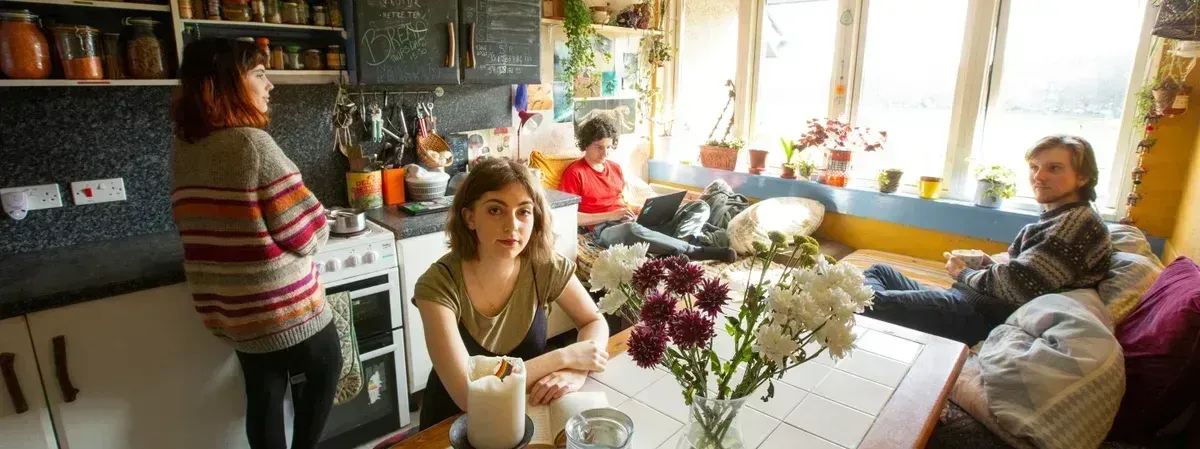
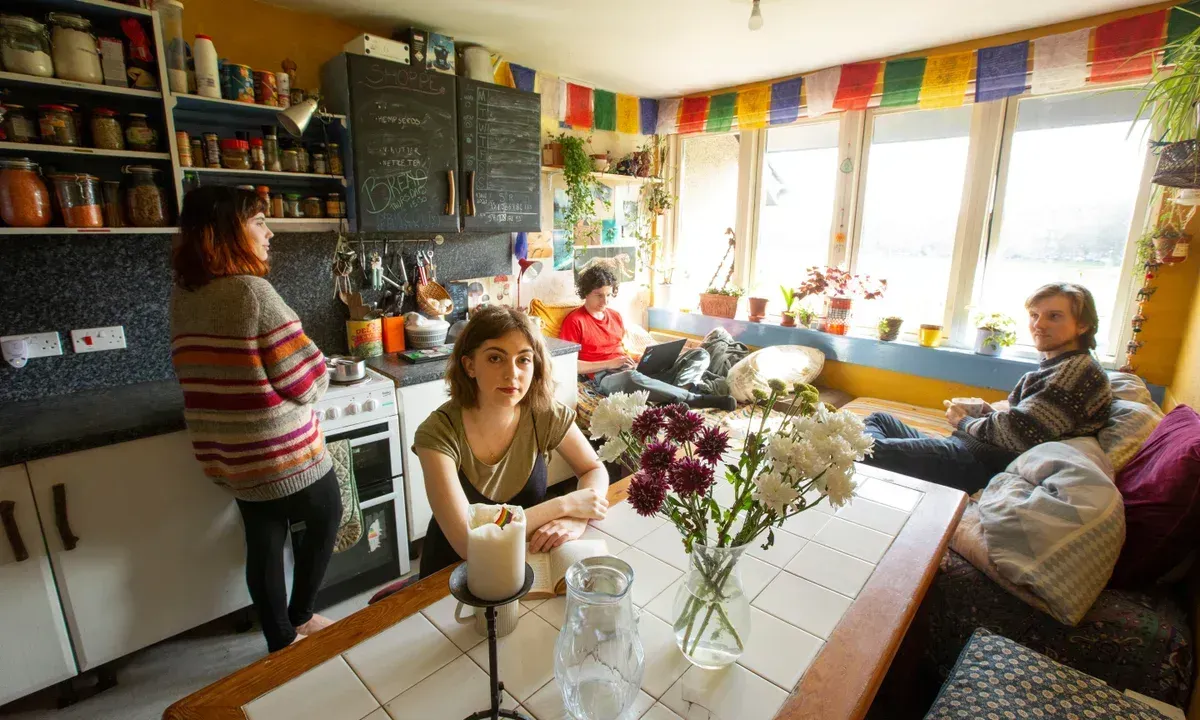
People gather in a kitchen with a bright window. A woman looks at the camera, flowers on the table.

Living with housemates can be an enriching experience, providing not only financial benefits but also opportunities to build friendships and share responsibilities. Whether you have chosen to live in Uplands, Brynmill, Swansea city centre or Sketty - successful cohabitation depends greatly on clear and effective boundaries.


The Importance of Boundaries in Shared Living
While the benefits of shared living are clear, so too are the potential challenges. Without established boundaries, conflicts around noise, cleanliness, personal space, and responsibilities can arise, often leading to tension and discomfort.


Boundaries serve several key purposes:

  • Respecting privacy: ensuring that each housemate feels secure in their personal space fosters mutual respect.
  • Maintaining cleanliness: clear agreements on cleaning duties prevent the common pitfall of uneven workload distribution.
  • Managing social interactions: rules about visitors and noise help balance socialising with the need for quiet and rest.
  • Encouraging communication: boundaries create a framework within which housemates can discuss issues constructively.


Strategies for Establishing Boundaries that Work


1. Initial House Meeting
One of the best ways to set the tone for respectful shared living is to hold an initial meeting once all housemates have moved in. This provides a platform to discuss:


  • Preferred quiet hours, especially on weekdays or exam periods.
  • Cleaning responsibilities, including how chores will be divided and how often.
  • Rules about shared items and communal spaces.
  • Expectations regarding guests and overnight visitors.
  • Documenting these agreements in a simple house manual or group chat can help keep everyone accountable.


2. Respecting Personal Space
Everyone deserves to feel comfortable and safe in their own room. Respecting this means knocking before entering, not borrowing personal belongings without permission, and keeping communal areas tidy to avoid infringing on others’ comfort.


3. Cleaning and Household ResponsibilitiesA rotating cleaning schedule or checklist helps ensure that no one feels burdened with all the chores. Consider assigning specific tasks such as kitchen cleaning, vacuuming, or taking out the trash on a weekly basis. Encourage housemates to communicate openly if they cannot fulfill their duties at any time.


4. Noise Control
Noise can be a major source of conflict. Housemates should agree on acceptable noise levels and timing - this might mean keeping music and conversations low after a certain hour or agreeing on ‘quiet zones’ or times for study or rest.


5. Guest Policy
Visitors are a natural part of social living, but it is important to agree on guidelines to avoid disruption. This could involve limiting overnight stays, notifying housemates in advance, or restricting the number of guests in the house at one time.


6. Conflict Resolution
Despite best efforts, disagreements may occur. It is crucial to address issues calmly and promptly. Encourage regular check-ins or house meetings to air concerns and find solutions together, rather than allowing resentment to build.


How Digs Swansea Supports Shared Living Success

Finding the right property is the first step towards a successful shared living experience. Digs Swansea specialises in offering a diverse portfolio of properties across Swansea, catering to a variety of needs. Digs Swansea also provides helpful resources and advice to tenants, promoting positive housemate relationships through communication and mutual respect. .


Final Thoughts
Living with housemates can be a rewarding chapter in your life when managed with clear boundaries and communication. By respecting privacy, dividing responsibilities fairly, managing noise and guests considerately, and addressing conflicts promptly, housemates can create a comfortable and respectful home environment.

Group of friends at Christmas. Some wear festive sweaters and antlers, with a beer can Christmas tree.
By Neil Kinnerly November 30, 2025
It's almost CHRRISSSTTTMASSS!
Jack-o'-lantern with a scary face, glowing orange, in a dark forest setting, next to a tree trunk.
By Neil Kinnerly October 31, 2025
Halloween is nearly here and it’s always a good time to add a little spooky fun to your day, whether you’re hanging out with friends, getting your place ready, or just enjoying the autumn vibes. Before you dive into the celebrations, we thought it would be cool to share some interesting things about Halloween in the UK and some local Swansea stories to get you in the mood. Halloween actually has really old roots here in the UK. It goes back to an ancient Celtic festival called Samhain. People used to celebrate the end of the harvest season and the start of the cold, dark winter. Back then, they believed that the boundary between the living world and the spirit world was thinner around this time of year. Because of that, they thought ghosts and spirits could cross over and roam the earth. It was a time to light bonfires and wear costumes to keep those spirits away. The pumpkin carving tradition that’s so popular today actually started a little differently. In Ireland and Scotland, people used to carve faces into turnips or other root vegetables to scare off wandering spirits. When Irish immigrants came to America, they discovered pumpkins were easier to carve and much bigger, so the jack-o’-lantern as we know it was born. But if you want to keep it authentic, you could always try carving a turnip this Halloween. Trick or treating is another interesting tradition. It didn’t really become popular in the UK until the 1980s. Before that, kids went “guising” which meant dressing up in costumes and going door to door to perform songs or jokes in exchange for treats. It was less about threats and more about entertainment. So when you’re knocking on doors this year, you’re taking part in a tradition that’s only a few decades old here but has deep roots in earlier customs. Swansea itself has plenty of spooky stories and places that make Halloween feel a bit more real. For example, Swansea Castle is said to be haunted, and people have reported strange noises and ghostly sightings there. The Maritime Quarter has its own legends of mysterious figures wandering the docks late at night. If you’re up for a bit of local adventure, grabbing a few friends and exploring some of these spots could be a fun way to get into the Halloween spirit. If you’re staying in your student house, adding some decorations like cobwebs, spooky lights or even a hand-carved pumpkin can transform your place without much effort. You don’t have to go over the top to make it feel festive. And maybe set up a horror movie night with your housemates. Whether you prefer classic chills or silly scary comedies, it’s a great way to relax and have some laughs. One more fun fact - did you know that in some parts of the UK people still follow the old tradition of “snap-apple” at Halloween? It’s a game where apples are hung from a string and you try to bite one without using your hands. It’s messy but a good laugh with friends.  Whether you’re planning to head out, stay in or just enjoy some snacks and spooky stories, it’s a great chance to take a break and have some fun. We hope your Halloween is full of good times, a few surprises and plenty of treats. If you come across any great local events or have some cool decorations or costumes to show off, we’d love to hear from you.
October 27, 2025
We're now proud sponsors of the Swansea University Hockey Club
SHOW MORE