

A Simple Guide to Public Transport Around Swansea for Students
March 8, 2026
A Simple Guide to Public Transport Around Swansea for Students

Getting around Swansea as a student can feel like a challenge at first, but honestly, it’s way easier than it seems. Whether you live in halls, a flat, or at home, there are plenty of options to get you from lectures to the city centre, the beach, or a night out with mates.


Buses

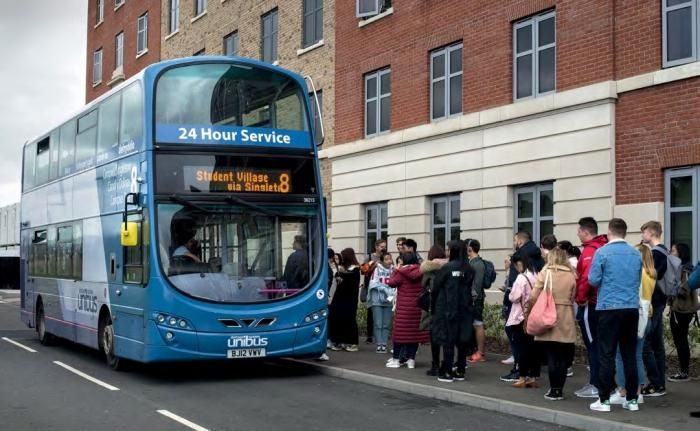
Buses are the lifeline for most students. First Cymru runs the majority of routes, and if you’re a student, it’s worth checking if you can get a discount on weekly or monthly passes. Routes like the 4, 5, and 6 go through all the main areas, from Uplands and Mount Pleasant to the city centre and Swansea University campus. Make sure you download the First Cymru app real-time updates are a lifesaver, especially when it’s raining (which, let’s be honest, is often).


Trains

If you’re planning a day trip or heading home for the weekend, Swansea train station is your friend. Direct services run to Cardiff, Bristol, and even London. For students, booking in advance usually saves a bundle. It’s a comfy option compared to a long bus ride, especially if you’ve got coursework to catch up on.


Cycling and Walking

Swansea is actually pretty cycle-friendly. If you live near the university, walking or cycling can be quicker than waiting for a bus. There are cycle racks all over campus and in the city centre. Plus, it’s free exercise and a nice way to clear your head between lectures.


Taxis and Ride-Sharing

Sometimes you just need a lift home after a late night. Local taxi firms like ABC Taxis and Uber operate in the city. They’re more expensive than buses, obviously, but perfect if you’re running late or heading somewhere buses don’t go.


Tip for Students:

Invest in a student bus pass if you’re relying on public transport a lot, as it’s cheaper than paying per ride, and you won’t have to stress about exact change.

By Oliver Wright July 14, 2026
Common Student Renting Myths Debunked! Starting university is an exciting milestone, but it can also feel overwhelming. For many students, it’s the first time managing responsibilities such as finding accommodation, signing tenancy agreements, and budgeting for rent and household bills. Unfortunately, there are plenty of misconceptions about student renting that can make the process seem even more complicated. Here are some of the most common myths—and the reality behind them. Myth #1: Students Have Fewer Tenant Rights Being a student does not reduce your legal rights as a tenant. Students are entitled to the same protections as any other renter, including the right to live in a safe property, have their deposit protected, and receive clear tenancy terms. Your status as a student does not affect these rights. Recent changes to rental legislation have also focused on strengthening tenant protections, making it even more important to understand what you're entitled to when renting a property. Myth #2: Landlords Can Keep Your Deposit for Any Reason A common misunderstanding is that landlords can deduct money from a deposit whenever they choose. In reality, deposits are protected and can only be used for legitimate reasons. Deductions are typically made for issues such as unpaid rent or damage beyond normal wear and tear. Any charges should be reasonable and supported by evidence. To protect yourself, it's a good idea to take photographs or videos of the property when you move in and again when you move out. Having a clear record can be invaluable if a dispute arises over the condition of the property. Myth #3: You're Only Responsible for Your Own Rent This depends entirely on the tenancy agreement you sign. With an individual tenancy agreement, each tenant is responsible for their own rent payments. However, many shared houses operate under a joint tenancy agreement, where all tenants share responsibility for the full rent amount. In a joint tenancy, if one tenant fails to pay, the landlord may pursue the remaining tenants for the outstanding balance. Before signing any contract, make sure you understand how rent liability is structured and what responsibilities you may have. Myth #4: Every Student Area Is Loud and Full of Parties Student neighbourhoods often have a reputation for being noisy, but reality is usually more varied. Students come from different backgrounds, age groups, and lifestyles. While some households enjoy a busy social life, others prefer a quieter environment focused on studying, work, or personal commitments. If you're moving into a shared property, it's worth discussing expectations and lifestyles with potential housemates beforehand to ensure a good fit. Myth #5: Student Housing Is Always Expensive The cost of student accommodation can vary significantly depending on the type of property you choose. Purpose-built student accommodation often includes additional facilities such as security, gyms, study spaces, and social areas, which can increase costs. However, there are also many affordable alternatives, including shared houses, university halls, and private rentals. Exploring a range of accommodation options can help you find something that suits both your budget and your lifestyle. Further thoughts.. With so much information available online, it's easy for myths and misunderstandings about student renting to spread. Taking the time to research, ask questions, and understand your tenancy agreement can help you make informed decisions and avoid unnecessary stress. If you are ever unsure about your rights or responsibilities, don't hesitate to seek advice!
By Oliver Wright July 1, 2026
A warm welcome from our team!
By Oliver Wright June 7, 2026
New Student Accommodation Delivered in Sketty
SHOW MORE