

Happy St David's Day!
March 1, 2024

Happy St David's Day!! We know many of our tenants are not Welsh, so we have summarised what St David's Day is for you!
St. David's Day, known as Dydd Gŵyl Dewi Sant in Welsh, is a significant celebration in Wales that occurs on the 1st of March each year. This cultural holiday honors the country's patron saint, St. David, who played a pivotal role in spreading Christianity in Wales during the 6th century. As a Graduate School student, I will delve into the history, traditions, symbols, and festivities associated with St. David's Day, providing a comprehensive understanding of this important Welsh holiday.
Firstly, the origins of St. David's Day can be traced back to the life and achievements of St. David, or Dewi Sant in Welsh. He was born in the mid-6th century and founded a Celtic monastic community in what is now known as St. Davids, Pembrokeshire. St. David's influence on Christianity in Wales was considerable, and his teachings on simplicity, purity, and modesty resonated with the Welsh people. This led to his canonization in the 12th century and the subsequent establishment of St. David's Day as a recognized holiday.
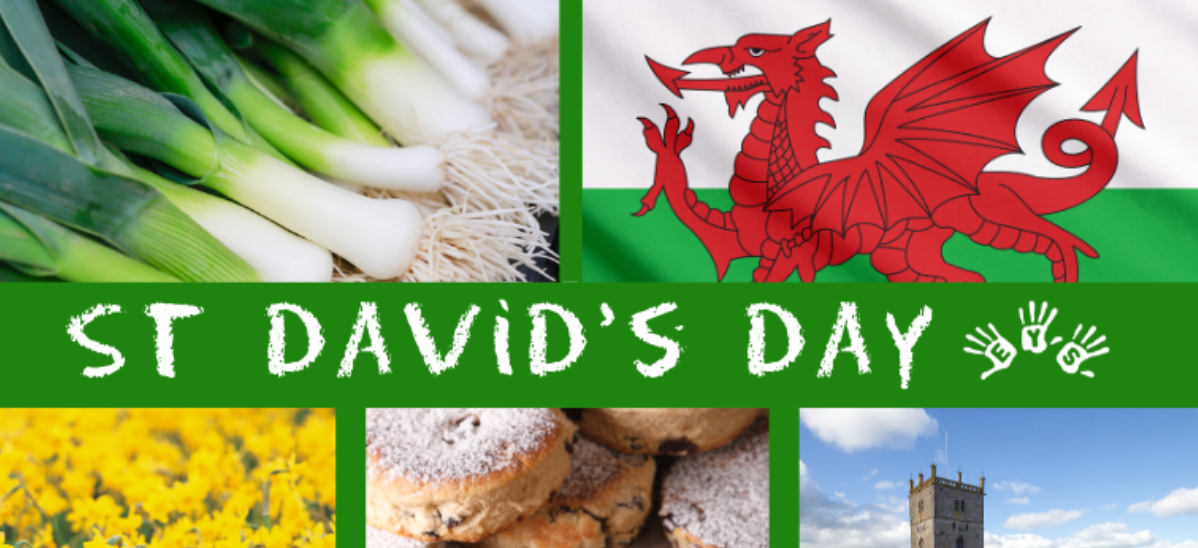
On St. David's Day, the Welsh people proudly display their national identity and rich cultural heritage. One of the most prominent symbols associated with this celebration is the daffodil, or Cenhinen Bedr in Welsh. This bright yellow flower blooms in early spring, coinciding with the holiday, and is seen as a representation of rebirth and new beginnings. Welsh people often wear daffodils or leeks, another national emblem, on their clothing to demonstrate their Welsh pride.
Furthermore, St. David's Day is typically accompanied by various festivities and traditions. Schools in Wales often hold special assemblies, concerts, or eisteddfods (competitions) where students perform Welsh songs, poems, and dances. Traditional Welsh cuisine also plays a significant role in the celebrations, with dishes such as Welsh cakes, bara brith (fruit loaf), and cawl (a hearty soup) being enjoyed. There may also be parades, processions, and concerts organized throughout the country to commemorate the occasion.
In addition to these public celebrations, many Welsh people attend church services dedicated to St. David on his special day. These religious ceremonies uphold the reverence and respect for St. David, allowing individuals to reflect on his teachings and accomplishments. The services often involve hymns, prayers, and readings that honor St. David's legacy and emphasize the enduring values he promoted.
St. David's Day also serves as an opportunity for the Welsh diaspora around the world to come together and celebrate their heritage. Welsh communities in countries like the United States, Canada, Australia, and New Zealand organize events to mark the occasion, fostering a sense of camaraderie and connection with their homeland. This global celebration showcases the strength and pride of the Welsh people, even when far from their native land.
St. David's Day holds immense importance in Welsh culture as a day to honor their patron saint, St. David. This celebration brings together the Welsh people, both in their home country and worldwide, to commemorate their heritage, customs, and traditions. The holiday encompasses various activities, from wearing national symbols like daffodils and leeks to participating in eisteddfods and church services. Although St. David's Day may not garner the same global attention as some other cultural holidays, its essence of community, national pride, and the celebration of Welsh identity makes it a cherished day for all who are connected to Wales.
St. David's Day, known as Dydd Gŵyl Dewi Sant in Welsh, is a significant celebration in Wales that occurs on the 1st of March each year. This cultural holiday honors the country's patron saint, St. David, who played a pivotal role in spreading Christianity in Wales during the 6th century. As a Graduate School student, I will delve into the history, traditions, symbols, and festivities associated with St. David's Day, providing a comprehensive understanding of this important Welsh holiday.
Firstly, the origins of St. David's Day can be traced back to the life and achievements of St. David, or Dewi Sant in Welsh. He was born in the mid-6th century and founded a Celtic monastic community in what is now known as St. Davids, Pembrokeshire. St. David's influence on Christianity in Wales was considerable, and his teachings on simplicity, purity, and modesty resonated with the Welsh people. This led to his canonization in the 12th century and the subsequent establishment of St. David's Day as a recognized holiday.
On St. David's Day, the Welsh people proudly display their national identity and rich cultural heritage. One of the most prominent symbols associated with this celebration is the daffodil, or Cenhinen Bedr in Welsh. This bright yellow flower blooms in early spring, coinciding with the holiday, and is seen as a representation of rebirth and new beginnings. Welsh people often wear daffodils or leeks, another national emblem, on their clothing to demonstrate their Welsh pride.
Furthermore, St. David's Day is typically accompanied by various festivities and traditions. Schools in Wales often hold special assemblies, concerts, or eisteddfods (competitions) where students perform Welsh songs, poems, and dances. Traditional Welsh cuisine also plays a significant role in the celebrations, with dishes such as Welsh cakes, bara brith (fruit loaf), and cawl (a hearty soup) being enjoyed. There may also be parades, processions, and concerts organized throughout the country to commemorate the occasion.
In addition to these public celebrations, many Welsh people attend church services dedicated to St. David on his special day. These religious ceremonies uphold the reverence and respect for St. David, allowing individuals to reflect on his teachings and accomplishments. The services often involve hymns, prayers, and readings that honor St. David's legacy and emphasize the enduring values he promoted.
St. David's Day also serves as an opportunity for the Welsh diaspora around the world to come together and celebrate their heritage. Welsh communities in countries like the United States, Canada, Australia, and New Zealand organize events to mark the occasion, fostering a sense of camaraderie and connection with their homeland. This global celebration showcases the strength and pride of the Welsh people, even when far from their native land.
St. David's Day holds immense importance in Welsh culture as a day to honor their patron saint, St. David. This celebration brings together the Welsh people, both in their home country and worldwide, to commemorate their heritage, customs, and traditions. The holiday encompasses various activities, from wearing national symbols like daffodils and leeks to participating in eisteddfods and church services. Although St. David's Day may not garner the same global attention as some other cultural holidays, its essence of community, national pride, and the celebration of Welsh identity makes it a cherished day for all who are connected to Wales.

By Neil Kinnerly
•
October 31, 2025
Halloween is nearly here and it’s always a good time to add a little spooky fun to your day, whether you’re hanging out with friends, getting your place ready, or just enjoying the autumn vibes. Before you dive into the celebrations, we thought it would be cool to share some interesting things about Halloween in the UK and some local Swansea stories to get you in the mood. Halloween actually has really old roots here in the UK. It goes back to an ancient Celtic festival called Samhain. People used to celebrate the end of the harvest season and the start of the cold, dark winter. Back then, they believed that the boundary between the living world and the spirit world was thinner around this time of year. Because of that, they thought ghosts and spirits could cross over and roam the earth. It was a time to light bonfires and wear costumes to keep those spirits away. The pumpkin carving tradition that’s so popular today actually started a little differently. In Ireland and Scotland, people used to carve faces into turnips or other root vegetables to scare off wandering spirits. When Irish immigrants came to America, they discovered pumpkins were easier to carve and much bigger, so the jack-o’-lantern as we know it was born. But if you want to keep it authentic, you could always try carving a turnip this Halloween. Trick or treating is another interesting tradition. It didn’t really become popular in the UK until the 1980s. Before that, kids went “guising” which meant dressing up in costumes and going door to door to perform songs or jokes in exchange for treats. It was less about threats and more about entertainment. So when you’re knocking on doors this year, you’re taking part in a tradition that’s only a few decades old here but has deep roots in earlier customs. Swansea itself has plenty of spooky stories and places that make Halloween feel a bit more real. For example, Swansea Castle is said to be haunted, and people have reported strange noises and ghostly sightings there. The Maritime Quarter has its own legends of mysterious figures wandering the docks late at night. If you’re up for a bit of local adventure, grabbing a few friends and exploring some of these spots could be a fun way to get into the Halloween spirit. If you’re staying in your student house, adding some decorations like cobwebs, spooky lights or even a hand-carved pumpkin can transform your place without much effort. You don’t have to go over the top to make it feel festive. And maybe set up a horror movie night with your housemates. Whether you prefer classic chills or silly scary comedies, it’s a great way to relax and have some laughs. One more fun fact - did you know that in some parts of the UK people still follow the old tradition of “snap-apple” at Halloween? It’s a game where apples are hung from a string and you try to bite one without using your hands. It’s messy but a good laugh with friends. Whether you’re planning to head out, stay in or just enjoy some snacks and spooky stories, it’s a great chance to take a break and have some fun. We hope your Halloween is full of good times, a few surprises and plenty of treats. If you come across any great local events or have some cool decorations or costumes to show off, we’d love to hear from you.