

St. David's Day in Swansea: A Celebration of Welsh Pride and Heritage
March 1, 2025
St. David's Day in Swansea: A Celebration of Welsh Pride and Heritage
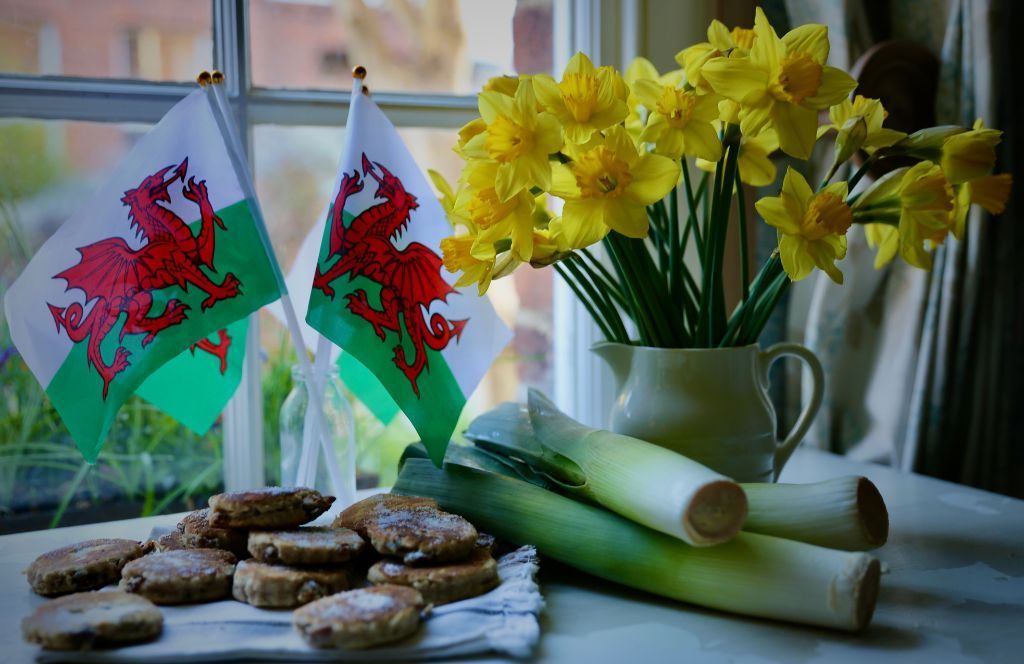
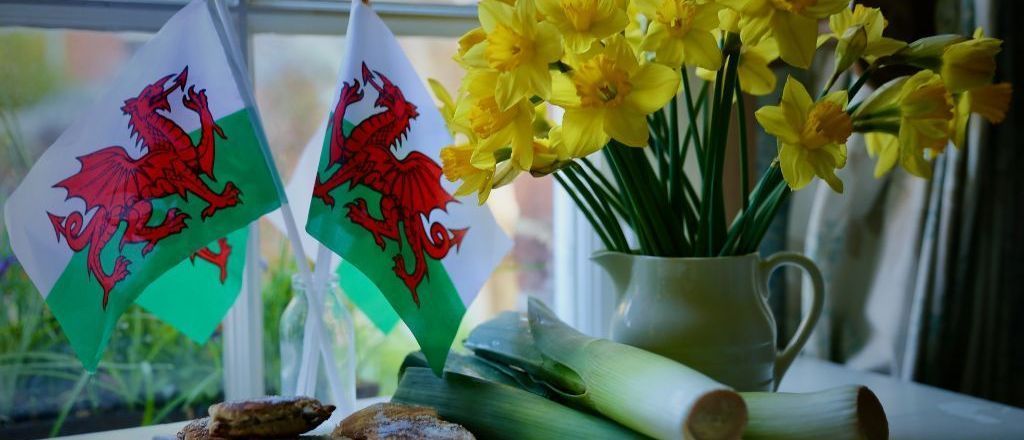
Welsh flags, daffodils, leeks, and scones arranged on a windowsill, celebrating St. David's Day.

March 1st marks one of the most important days in Wales' cultural calendar: St. David’s Day. The day celebrates St. David, the patron saint of Wales, and is a time for people across the country to honour Welsh history, language, and traditions. In Swansea, this day is celebrated with a mix of local pride, vibrant events, and an embrace of everything that makes Wales such a unique place to live and study.
Whether you're a local or a student new to Swansea, here’s a glimpse of how the city comes alive on St. David's Day and how you can be part of the celebration.
St. David’s Day is a day filled with Welsh pride and tradition. The streets of Swansea are adorned with the iconic Welsh flag, featuring the red dragon, and people across the city wear the national symbols of leeks and daffodils to mark the occasion. These symbols are more than just decorative, they represent the essence of Welsh identity.
On St. David’s Day, you’ll see local residents proudly sporting daffodils pinned to their jackets or wearing leek-shaped accessories. The daffodil, Wales' national flower, blooms just in time for the holiday, and the leek has long been a symbol of Welsh pride, even worn by soldiers in battles throughout history.
While Swansea may not have a massive parade, the city comes alive in smaller but equally meaningful ways. Here are some of the things you can look forward to:
Cultural performances - St. David's Day often brings local musicians and performers out to share Welsh folk music, songs, and dances with the public. You might find Welsh choirs singing on the steps of the Swansea Museum, or traditional Welsh folk dancers performing in the city’s open spaces.
Welsh language celebrations - for those interested in learning more about the Welsh language, Swansea offers opportunities to immerse yourself in some Welsh phrases. On St. David’s Day, you might see pop-up Welsh language workshops, public readings, or storytelling sessions that allow both locals and visitors to connect with this ancient language. You’ll hear people saying “Bore da” (good morning) and “Diolch” (thank you) as they greet each other on this day.
Markets and street stalls - Swansea’s vibrant markets, especially in the Swansea Market, often feature Welsh-themed stalls. Here, you can pick up Welsh delicacies such as Welsh cakes, bara brith (fruit bread), and cawl (a traditional Welsh stew). Don’t forget to try some Welsh cheese or leeks, which are in abundance during the festivities.
One of the highlights of St. David’s Day is the opportunity to sample traditional Welsh food. Whether you’re in a local restaurant or visiting a street market, you'll be treated to dishes steeped in history and full of flavour.
How can you take part?
Wear Welsh colours - don’t forget to wear something that represents Welsh pride, whether it's a daffodil in your jacket, a red shirt, or a dragon themed accessory.
Attend a local event - keep an eye out for local events happening at community centres, museums, or galleries in Swansea. You may find live music performances, Welsh cooking classes, or language workshops happening around town.
Explore Swansea’s cultural heritage- take a walk around Swansea and discover the beautiful parks, historic buildings, and museums that showcase the rich cultural tapestry of Wales.
St. David’s Day is a celebration of more than just a saint—it’s a celebration of everything that makes Wales unique: its history, culture, language, and people. Whether you’re born and raised in Wales or are studying here as part of your university experience, this day is a reminder of the pride and unity that exists across the country.

Happy St. David’s Day, and may your day be filled with Welsh pride and joy!

Group of friends at Christmas. Some wear festive sweaters and antlers, with a beer can Christmas tree.
By Neil Kinnerly November 30, 2025
It's almost CHRRISSSTTTMASSS!
Four people in a colorful, lived-in kitchen/living room. Sunlight streams in. One woman sits at a table.
By Neil Kinnerly November 12, 2025
Living with friends fun, but isn't always easy!
Jack-o'-lantern with a scary face, glowing orange, in a dark forest setting, next to a tree trunk.
By Neil Kinnerly October 31, 2025
Halloween is nearly here and it’s always a good time to add a little spooky fun to your day, whether you’re hanging out with friends, getting your place ready, or just enjoying the autumn vibes. Before you dive into the celebrations, we thought it would be cool to share some interesting things about Halloween in the UK and some local Swansea stories to get you in the mood. Halloween actually has really old roots here in the UK. It goes back to an ancient Celtic festival called Samhain. People used to celebrate the end of the harvest season and the start of the cold, dark winter. Back then, they believed that the boundary between the living world and the spirit world was thinner around this time of year. Because of that, they thought ghosts and spirits could cross over and roam the earth. It was a time to light bonfires and wear costumes to keep those spirits away. The pumpkin carving tradition that’s so popular today actually started a little differently. In Ireland and Scotland, people used to carve faces into turnips or other root vegetables to scare off wandering spirits. When Irish immigrants came to America, they discovered pumpkins were easier to carve and much bigger, so the jack-o’-lantern as we know it was born. But if you want to keep it authentic, you could always try carving a turnip this Halloween. Trick or treating is another interesting tradition. It didn’t really become popular in the UK until the 1980s. Before that, kids went “guising” which meant dressing up in costumes and going door to door to perform songs or jokes in exchange for treats. It was less about threats and more about entertainment. So when you’re knocking on doors this year, you’re taking part in a tradition that’s only a few decades old here but has deep roots in earlier customs. Swansea itself has plenty of spooky stories and places that make Halloween feel a bit more real. For example, Swansea Castle is said to be haunted, and people have reported strange noises and ghostly sightings there. The Maritime Quarter has its own legends of mysterious figures wandering the docks late at night. If you’re up for a bit of local adventure, grabbing a few friends and exploring some of these spots could be a fun way to get into the Halloween spirit. If you’re staying in your student house, adding some decorations like cobwebs, spooky lights or even a hand-carved pumpkin can transform your place without much effort. You don’t have to go over the top to make it feel festive. And maybe set up a horror movie night with your housemates. Whether you prefer classic chills or silly scary comedies, it’s a great way to relax and have some laughs. One more fun fact - did you know that in some parts of the UK people still follow the old tradition of “snap-apple” at Halloween? It’s a game where apples are hung from a string and you try to bite one without using your hands. It’s messy but a good laugh with friends.  Whether you’re planning to head out, stay in or just enjoy some snacks and spooky stories, it’s a great chance to take a break and have some fun. We hope your Halloween is full of good times, a few surprises and plenty of treats. If you come across any great local events or have some cool decorations or costumes to show off, we’d love to hear from you.
SHOW MORE